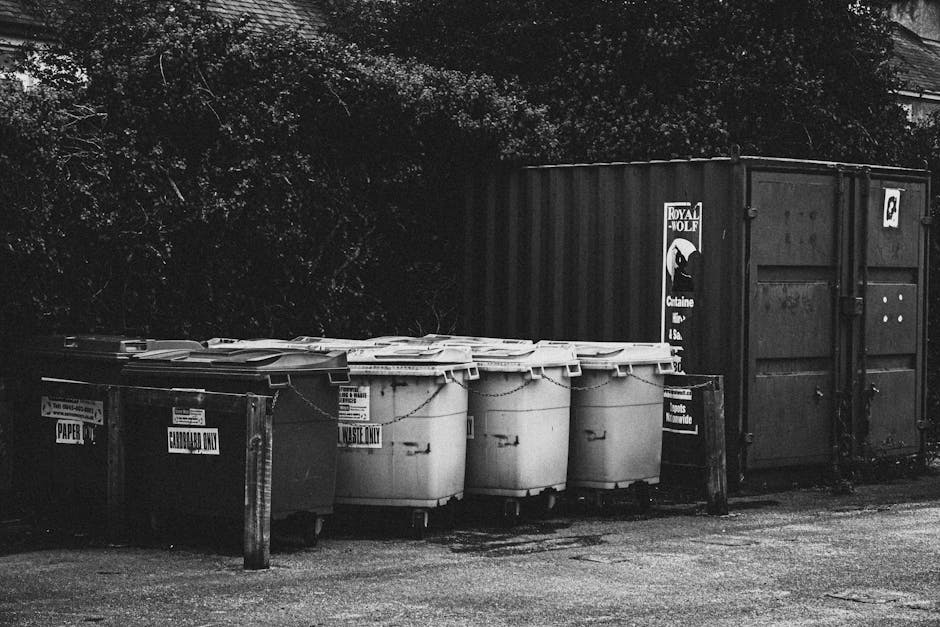
Wandsworth Council rules for carpet waste and recycling (SW15)
If you are trying to get rid of an old carpet in SW15, the process can feel oddly confusing. One minute it looks like simple rubbish; the next, you are wondering whether it counts as bulky waste, whether it can be recycled, and what Wandsworth Council expects from you. The good news is that once you understand the basics of Wandsworth Council rules for carpet waste and recycling (SW15), the whole thing becomes much easier to plan.
This guide breaks it down in plain English. You will learn what usually counts as carpet waste, how disposal and recycling commonly work in a London borough setting, what mistakes to avoid, and how to prepare carpets so they are handled properly. It is practical, local, and written for real people dealing with real mess. Because let's face it, nobody wants a rolled-up carpet sitting by the door any longer than necessary.
- Why Wandsworth Council rules matter
- How carpet waste and recycling usually works
- Key benefits and practical advantages
- Who this is for and when it makes sense
- Step-by-step guidance
- Expert tips for better results
- Common mistakes to avoid
- Tools, resources and recommendations
- Law, compliance, standards and best practice
- Options, methods, or comparison table
- Case study or real-world example
- Practical checklist
- Conclusion
- Frequently asked questions
Why Wandsworth Council rules for carpet waste and recycling (SW15) Matters
Carpets are bulky, awkward, and not always obvious to dispose of. They are also made from mixed materials more often than people realise, which means they are not always accepted in the same way as plain household recycling. In SW15, understanding the local rules matters because it helps you avoid fly-tipping risks, missed collections, and unnecessary fees.
There is also a broader environmental point. Carpets can contain synthetic fibres, underlay, backing layers, foam, dirt, dust, and sometimes adhesive residue. That mix makes recycling harder than for single-material waste. If you simply dump a carpet in the wrong place, it usually ends up as general waste or a nuisance problem instead of being handled in the most responsible way.
For residents, landlords, letting agents, and small businesses, this is not just a "how do I throw this out?" issue. It is about doing the job properly, especially after renovations, end-of-tenancy moves, or a full room refit. A carpet removed cleanly and sorted correctly saves time later. A carpet left tangled, damp, or contaminated? That becomes another story entirely.
For many households, a carpet removal happens at the same time as a broader clear-out. If you are also tackling clutter, old furniture, or a post-refurbishment reset, it can help to think about the job as part of a wider clean-up plan. Services such as house clearance or after builders cleaning often fit naturally around this kind of work.
Expert takeaway: the safest assumption is that carpets are bulky waste first, recycling second. If you want to recycle, reduce contamination, separate materials where possible, and check the collection route before you leave anything outside.
How Wandsworth Council rules for carpet waste and recycling (SW15) Works
The core idea is simple: carpets usually need to be disposed of as bulky household waste unless a specific recycling route is available and suitable. In practice, that means the way you handle the carpet before disposal matters nearly as much as the disposal point itself.
Here is how it generally works in a residential setting:
- Remove the carpet safely from the room, ideally with gloves and a knife or scraper used carefully.
- Separate what you can, such as underlay, gripper rods, fixings, and any metal or wooden pieces.
- Keep the carpet dry and clean if you want the best chance of recycling or reuse.
- Bundle or roll it so it is easier to handle and less likely to create litter.
- Use the correct collection or disposal route rather than leaving it on the pavement or in a communal bin area.
That sounds straightforward, but there are a few practical wrinkles. A carpet that has been soaked, heavily stained, mouldy, or glued down with residue may be unsuitable for reuse. Likewise, if it is packed full of nails, staples, or embedded debris, it becomes harder to process. Reuse and recycling depend on condition. This is where a bit of judgement saves a lot of trouble.
In many SW15 homes, especially flats and older properties, carpet removal can reveal extra layers beneath: old underlay, bitumen-like adhesive, or transition strips. That is normal. Just take it slowly. If the carpet came from a rental property or a recently renovated room, it may also be worth pairing the removal with a deep cleaning of the exposed floor area so you are not sealing in dust and debris after the job.
One small but useful point: recycling routes are easier to use when the material is separated and not mixed with unrelated waste. A carpet stuffed in with food rubbish, broken glass, and paint tins is no longer a simple disposal job. It becomes contaminated waste, and that is where people get caught out.
Key Benefits and Practical Advantages
Following the right carpet disposal route is not just about staying tidy. It makes the whole process calmer and more predictable. To be fair, most people do not think about this until the carpet is already half out the door, but a little planning goes a long way.
- Less risk of fines or complaints from improper dumping or fly-tipping behaviour.
- Cleaner communal spaces in blocks, estates, and shared access areas.
- Better chance of recycling if the carpet is kept clean and separated.
- Less manual hassle when materials are rolled, cut, and staged properly.
- More predictable costs when you choose the right collection or clearance method early.
- Safer handling for anyone moving the waste through stairwells, hallways, or front gardens.
There is also a practical home-management benefit. Carpet waste rarely happens alone. It is often part of a bigger project such as redecorating, replacing a damaged floor covering, or preparing a property for new tenants. In those cases, combining the carpet job with carpet cleaning, rug cleaning, or even upholstery cleaning can help you decide what is worth keeping and what should go.
And yes, sometimes the best "recycling decision" is not about recycling at all. If a carpet is genuinely salvageable, a proper clean and a bit of care may let you keep it in service longer. That is often the most sustainable route of all.
Who This Is For and When It Makes Sense
This topic matters to a lot of different people in SW15. You may be a homeowner replacing tired hallway carpet. You might be a tenant leaving a property in a hurry. Or perhaps you are a landlord with a flat that needs a full reset between lets. Different situations, same basic headache.
It is especially relevant if you are:
- moving out of a rented property and need the carpet gone quickly;
- renovating one room or several rooms at once;
- managing a property with old, damaged, or stained flooring;
- clearing a house after a long-term occupant has left;
- dealing with office, studio, or small commercial carpet waste;
- trying to avoid leaving bulky items in shared bins or communal areas.
For many busy households, the decision is less about whether carpet waste should be disposed of and more about how to fit it into a packed week. There is the school run, work, deliveries, and that one room everyone keeps walking through. When timing matters, a coordinated clean-up service can make life much easier. A company offering one-off cleaning or domestic cleaning can help once the waste is removed and the room needs resetting.
If you are running a workplace in SW15, the same principles apply, but the pace is different. Office carpet waste often comes with tighter access windows, more people around, and a need to keep disruption low. In those cases, office cleaning and office cleaners can be useful alongside waste removal planning.
Step-by-Step Guidance
If you want a sensible, low-stress way to handle carpet waste in SW15, follow this sequence. It keeps the job organised and lowers the chance of avoidable mess.
- Inspect the carpet first. Check whether it is dry, mouldy, heavily glued, or damaged beyond reuse.
- Remove all loose fittings. Pull out nails, tacks, staples, and small metal strips where safe to do so.
- Separate the layers. If possible, keep carpet, underlay, and other materials apart. Do not bundle everything into one mixed lump.
- Cut it into manageable sections. This makes lifting and transport much easier. A large carpet rolled neatly is far better than a giant floppy sheet trailing along the pavement.
- Keep it dry. A wet carpet is heavier, harder to handle, and less likely to be suitable for recycling or reuse.
- Choose the correct disposal route. Use the collection, recycling, or clearance option that matches the carpet's condition and your property type.
- Clean the exposed area. Once the carpet is out, vacuum and wipe the floor so dust, grit, and fibres do not spread through the house.
If the carpet came from an area with heavy footfall, you may notice a surprising amount of trapped grit. That is normal. You can almost hear it as you roll the carpet up. A quick sweep helps, and then a more thorough clean makes the room feel genuinely finished, not just half-done.
For more awkward jobs, especially if the room is full of furniture, it can be worth combining the carpet removal with help from a broader cleaning company rather than trying to piece together several separate tasks yourself.
Expert Tips for Better Results
Here is where a bit of experience makes a big difference. These are the small things that save time and stop carpet waste becoming a nuisance.
- Take photos before you remove anything. This helps with tenancy checks, insurance queries, or planning a new floor later.
- Use dust sheets or old towels. They catch dirt as the carpet comes up and protect painted walls and skirting boards.
- Work from the edges inward. It sounds obvious, but it keeps the carpet under control and reduces tearing.
- Handle old underlay separately. Underlay can crumble, shed foam, and create more mess than the carpet itself.
- Do not overfill bags. Heavy waste bags split at the worst possible moment. Usually on the stairs. Naturally.
- Think about the floor beneath. If you are revealing hard flooring, a service such as hard floor cleaning can help restore the surface before a new covering goes in.
Another small but useful point: if you are deciding whether to keep a rug or replace it, check the fibre condition and smell after cleaning. A rug that only looks tired may still be worth saving. A carpet with lingering damp or musty odour usually is not. That is just the honest answer.
If your project includes bedrooms, stairs, or living room spaces, it is often sensible to treat the whole property as one clean-up sequence. That way you are not re-opening dust and debris after the first round is done. A bit of planning now can save a whole weekend later.
Common Mistakes to Avoid
Most carpet disposal problems come from a few predictable errors. Avoid these and you will already be ahead of the game.
- Leaving carpet loose outside and hoping it will be collected without any preparation.
- Mixing carpet with general rubbish such as food waste, broken household items, or garden debris.
- Forgetting about underlay and fixings, which then get left behind in the property.
- Putting out wet or contaminated carpet and expecting it to be treated like clean material.
- Blocking shared pathways in flats or terraced homes, which annoys neighbours and may breach building rules.
- Assuming every carpet can be recycled, when condition and material mix matter a lot.
One very common oversight is underestimating how much residue stays behind. Even if the carpet is gone, adhesive, dust, and fibre remnants often remain. That is why a follow-up clean is not a luxury; it is part of finishing the job. If the room is due for a full refresh, pairing the waste removal with end of tenancy cleaning can make a real difference to the final result.
And please, do not drag a huge strip of carpet down the road like a makeshift sled. It is bad for the carpet, awkward for everyone else, and not the most elegant look, frankly.
Tools, Resources and Recommendations
You do not need specialist gear for a basic carpet removal, but a few simple tools make the process safer and neater. Nothing fancy. Just the sort of kit that stops you improvising with a kitchen knife and a prayer.
- Utility knife or carpet knife for controlled cutting.
- Heavy-duty gloves to protect hands from staples and rough backing.
- Dust mask if you are dealing with old fibres or a dusty room.
- Heavy-duty sacks or wraps for smaller offcuts and underlay pieces.
- Sweep brush and vacuum for the exposed floor.
- Tape or twine to secure rolled carpet sections.
From a planning perspective, it also helps to think beyond the waste itself. For example, if the job is happening in a property you manage, you may need to coordinate timing around cleaners, occupants, or trades. A broader house cleaning schedule can help you avoid stepping on each other's toes.
If you are comparing service choices, consider three things: access, volume, and contamination. Access is about stairs, lifts, parking, and door width. Volume is how much carpet and underlay you actually have. Contamination is whether the material is clean enough to be reused or recycled at all. Those three factors shape the most sensible route.
Law, Compliance, Standards, or Best Practice
While this article focuses on practical guidance rather than legal advice, carpet disposal in Wandsworth should always be handled with the general duty to manage waste responsibly in mind. In the UK, the basic expectation is that waste should be stored, moved, and disposed of without causing nuisance, litter, or illegal dumping.
Best practice in SW15 usually means:
- keeping carpets off pavements unless they are prepared for a proper collection;
- separating recyclable material where possible;
- not leaving waste in a way that blocks access or creates a hazard;
- using authorised disposal routes rather than informal dumping;
- making sure anyone handling the waste does so safely.
If you are a landlord, letting agent, or business owner, there may be additional expectations around duty of care, access management, and keeping common areas clear. That is especially true for flats and managed premises where one awkwardly placed roll of carpet can turn into a complaint within an hour. Quick, boringly sensible compliance is usually the best compliance.
For service providers, trust and safety matter too. A provider should be clear about how work is carried out, how payment is handled, and what happens if a job changes on the day. Supporting pages such as health and safety policy, insurance and safety, and terms and conditions are useful signals that the business takes the practical side seriously.
Options, Methods, or Comparison Table
There is no single perfect method for every carpet. The right choice depends on condition, volume, and how quickly you need the space cleared. Here is a simple comparison to help you decide.
| Method | Best for | Pros | Limitations |
|---|---|---|---|
| Reuse or donation | Clean, intact carpets in good condition | Most sustainable option; avoids waste entirely | Not suitable for stained, damaged, or heavily worn carpets |
| Bulky waste disposal | Most household carpet removals | Simple and predictable | May not recover materials for recycling |
| Specialist clearance | Large jobs, multiple rooms, or mixed waste | Less stress, fewer handling issues | Usually costs more than doing it yourself |
| Combined clean and clearance | End-of-tenancy, renovation, or full property refresh | Efficient, tidy, and practical | Needs good scheduling |
If the property is in transition, a combined approach often works best. For example, a move-out clean plus carpet removal is usually easier to coordinate than doing each job days apart. In busy homes, that really matters.
Case Study or Real-World Example
Here is a typical SW15 scenario. A tenant is leaving a two-bedroom flat and one bedroom carpet has been badly marked near the window, with a damp patch from a previous leak. The hallway carpet is still fine, but the bedroom one is not worth saving.
The sensible route is not to rip everything out in a panic. First, the tenant checks whether the carpet can be cleaned and reused. It cannot, because the backing has already started to smell musty after the leak. Next, the underlay is separated, the fixings are removed, and the carpet is cut into manageable rolls. The room is then swept and vacuumed so the floor is ready for inspection.
What makes this work is not dramatic effort. It is just tidy, methodical handling. The tenant avoids leaving waste in the communal hallway, the materials are easier to move, and the final inspection is cleaner. A small job? Yes. But these are the jobs that can become annoying if you leave them until the last minute.
In our experience, this is where many people call for help. Not because the carpet itself is impossible, but because the timing is tight and the rest of the flat still needs attention. A service such as carpet cleaner support or carpets cleaner support can be useful when you want the space dealt with properly before handover.
Practical Checklist
Use this checklist before you move any carpet waste in SW15. It keeps the process calm and stops silly misses.
- Check whether the carpet is clean enough to reuse, donate, or recycle.
- Remove all staples, nails, and loose fixings where safe.
- Separate carpet, underlay, and other materials.
- Cut large sections into manageable lengths.
- Keep the waste dry and protected from rain.
- Make sure access routes are clear for lifting and carrying.
- Do not leave carpet in communal areas without permission or proper arrangement.
- Plan the disposal or collection method before removal starts.
- Vacuum and clean the exposed floor afterwards.
- Keep records or photos if the removal is linked to a tenancy, insurance claim, or property handover.
One more thing: if the carpet removal has exposed a lot more work than you expected, do not be surprised. It happens all the time. A tired carpet can hide dust, stains, and floor issues that only appear once it is gone. That is not failure; it is just home maintenance in the real world.
Get a free quote today and see how much you can save.
Conclusion
Carpet waste in SW15 is manageable once you know the practical rules. The main things to remember are simple: keep materials separated where possible, stay clear of unsafe dumping, choose the right disposal route, and think about the carpet's condition before you assume it can be recycled. Wandsworth Council rules for carpet waste and recycling (SW15) are really about responsible handling, not unnecessary hassle.
If you are working through a larger home or property project, a joined-up approach makes life much easier. Removal, cleaning, and final checks work best when they are planned together. That way you end up with a cleaner space, fewer surprises, and a result that feels properly finished. Not rushed. Not messy. Just done right.
And honestly, that is usually what people want most.
Frequently Asked Questions
Can I put old carpet in my normal household recycling bin?
No, usually not. Carpet is typically too bulky and too mixed in material to go into standard household recycling. It normally needs a separate disposal route or specialist handling.
Is carpet classed as bulky waste in Wandsworth?
In practice, yes, carpet is usually treated as bulky household waste rather than ordinary recycling. The exact handling depends on its condition and the disposal route available.
Can a carpet be recycled if it is dirty?
Sometimes, but heavy dirt, damp, mould, or contamination can make recycling much less likely. Clean, dry, separated material always has a better chance of being reused or processed properly.
Do I need to remove the underlay too?
Yes, ideally. Underlay often needs to be handled separately because it may be made from different materials and can break apart easily during removal.
What is the safest way to prepare a carpet for collection?
Roll it, secure it, keep it dry, and remove sharp fixings. If the carpet is large, cut it into manageable sections so it can be carried safely through the property.
Can I leave carpet outside for collection?
Only if it has been arranged properly and placed in the right way. Leaving waste outside without the correct setup can create access problems, complaints, or fly-tipping concerns.
What should I do if the carpet smells damp or mouldy?
Treat it cautiously. Damp or mouldy carpet is less suitable for reuse or recycling and may need disposal as contaminated waste. Wear gloves and avoid prolonged contact.
Is it better to clean a carpet or replace it?
It depends on condition. If the carpet is structurally sound and only looks tired, cleaning may be the better option. If the backing is damaged or there is persistent odour, replacement usually makes more sense.
How do I avoid making a mess when pulling up old carpet?
Use dust sheets, work slowly, and vacuum as you go. Old carpets often hide grit and loose fibres, so a bit of preparation saves a lot of sweeping later.
What if I have several rooms of carpet to remove?
For multiple rooms, a planned clearance approach is much easier than tackling each room randomly. Group the work, keep the materials sorted, and decide in advance whether any of the carpet is worth keeping.
Does carpet waste need special handling in flats?
Usually yes, at least from a practical point of view. Shared halls, stairs, lifts, and neighbours mean you need to be careful about access, cleanliness, and timing.
Where can I get help with carpet disposal and cleaning in SW15?
If the job is part of a bigger property refresh, it can help to use a company that also covers cleaning tasks such as cleaner, cleaners, or recycling and sustainability support alongside carpet care. That keeps the project more organised and less stressful.