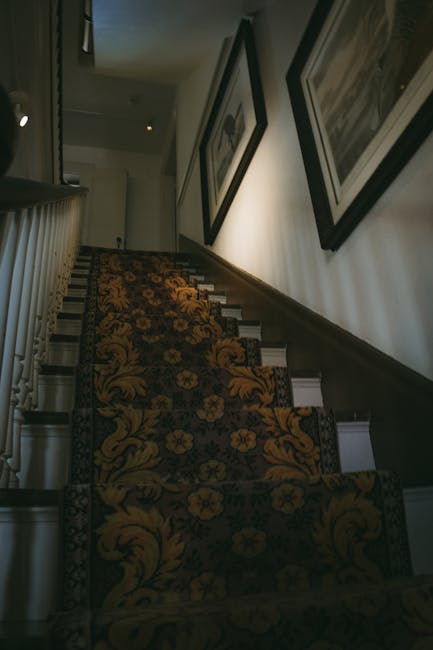
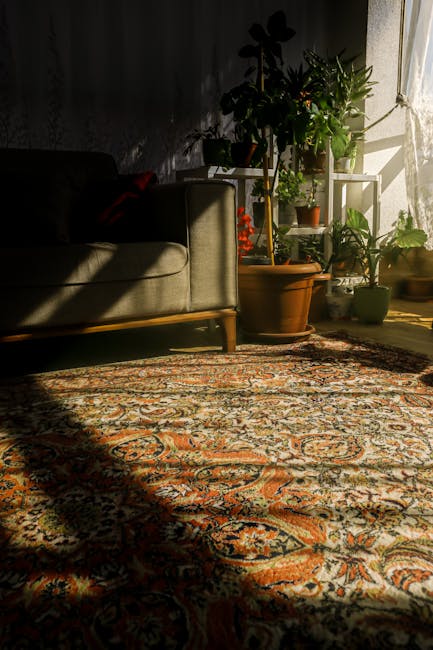
Felsham Road & West Hill: Carpet care for Victorian homes
Victorian homes on Felsham Road and around West Hill have a certain charm that newer properties rarely manage. High ceilings, original details, generous proportions, and carpets that have quietly carried family life for years. But that character can also make carpet care a little more delicate than people expect. You are not just cleaning floor coverings; you are looking after fibres, underlay, old timber floors, and sometimes rooms that have seen a century of traffic, dust, and the occasional muddy shoe by the door.
If you live in one of these homes, or you are caring for one, the right approach to carpet care for Victorian homes matters more than a quick vacuum and a rented machine. Done properly, it helps protect the look of the property, improves indoor comfort, and avoids damage that can be surprisingly expensive to fix later. Done badly, well, you can end up with shrinkage, tide marks, lingering smells, or carpets that look somehow worse after cleaning. Not ideal.
This guide explains what makes carpet care in Victorian homes different, how to handle common issues, and when it makes sense to call in help from a specialist. It is written for real homes and real routines, not showroom perfection.
Table of Contents
- Why Felsham Road & West Hill: Carpet care for Victorian homes Matters
- How Felsham Road & West Hill: Carpet care for Victorian homes Works
- Key Benefits and Practical Advantages
- Who This Is For and When It Makes Sense
- Step-by-Step Guidance
- Expert Tips for Better Results
- Common Mistakes to Avoid
- Tools, Resources and Recommendations
- Law, Compliance, Standards, or Best Practice
- Options, Methods, or Comparison Table
- Case Study or Real-World Example
- Practical Checklist
- Conclusion
- Frequently Asked Questions
Why Felsham Road & West Hill: Carpet care for Victorian homes Matters
Victorian homes are lovely, but they are not all built the same. On streets like Felsham Road and around West Hill, you often see a mix of original features, later renovations, and a lot of day-to-day wear layered on top. Carpets in these homes tend to sit over older floorboards, uneven subfloors, or sections where ventilation is not quite as straightforward as in a modern build. That changes the way cleaning should be approached.
The obvious reason to care for carpets is appearance. A clean carpet makes an entire room feel fresher. But there is more going on. Dust, grit, pet hair, and fine debris work their way deep into fibres and act like sandpaper every time someone walks across the room. Over time, that shortens the life of the pile. In a Victorian property, where carpets often play a big role in softening echo and keeping rooms comfortable, that matters quite a bit.
There is also the matter of moisture. Older buildings can hold humidity differently, and some rooms may already be prone to condensation or draughts. If carpet cleaning is rushed or over-wet, drying takes longer, and long drying times can create odours or even risk to the underlay. Truth be told, this is one of the biggest reasons a one-size-fits-all approach falls down in older homes.
For residents who care about the wider property too, carpet care is part of preserving the feel of the house. If you are thinking about moving, renting, or improving a property in the area, you may also find the local context in this Putney property guide useful, or perhaps this overview of why Putney suits so many households. The point is simple: the floor covering is not a detail. It is part of the home's condition and comfort.
How Felsham Road & West Hill: Carpet care for Victorian homes Works
Good carpet care in a Victorian house starts with observation, not cleaning solution. Before any water or shampoo touches the fibres, you want to understand the carpet type, the age of the installation, the room layout, and the condition of the base below. That sounds obvious, but lots of problems begin when a cleaner assumes all carpets respond the same way.
Here is the basic logic:
- Inspect the carpet and room conditions. Check fibre type, visible wear, stain types, seams, edges, and whether the room is damp, dry, sunny, or poorly ventilated.
- Remove loose soil first. Thorough vacuuming is essential. Grit must come out before any wet cleaning begins.
- Treat spots carefully. Different stains need different chemistry. Tea, red wine, mud, and pet accidents do not behave the same way at all.
- Use the least aggressive effective method. In older homes, low-moisture or controlled extraction methods are often safer than heavy soaking.
- Dry efficiently. Airflow, room temperature, and the amount of moisture used all affect the result.
- Finish with protection and aftercare advice. Preventive steps matter, especially in homes with busy family traffic.
In practice, the aim is not to blast the carpet clean. The aim is to lift soil safely while protecting the structure of the room. You might think of it like looking after a good wool jumper: the goal is freshness and longevity, not a heroic wash cycle that leaves everything stretched and unhappy.
For homes needing a broader refresh, many households combine carpet work with deep cleaning in Putney or use spring cleaning services to tackle the whole property at once. That can be a sensible route when rooms have built-up dust, pet hair, and old marks in more than one area.
Key Benefits and Practical Advantages
The benefits of proper carpet care in Victorian homes go beyond a nicer smell after cleaning. There are practical gains that matter day to day.
- Better indoor comfort. Clean carpets feel softer underfoot and make rooms more pleasant to spend time in.
- Longer carpet life. Removing grit and embedded debris reduces wear on fibres.
- Improved appearance. Old carpets can look tired simply because the pile is matted or soiled in traffic areas.
- Reduced odours. This is especially useful in homes with pets, children, or high footfall.
- Healthier-feeling rooms. While carpet cleaning is not a medical treatment, reducing dust and allergens can make a home feel fresher overall.
- Protection for original features. In older homes, a well-cared-for carpet helps preserve the room's balance and protects adjacent floors and skirting from wear.
There is also a quieter benefit: peace of mind. You stop noticing the stained patch by the hallway or the darker strip beside the sofa, and that little background annoyance disappears. Small thing, maybe. But it changes how the whole house feels.
If you are comparing services, it can help to look at the broader services overview and see how carpet care fits alongside upholstery cleaning in Putney or house cleaning support. Homes with Victorian proportions often benefit from a joined-up approach rather than isolated one-off tasks.
Who This Is For and When It Makes Sense
This kind of carpet care is especially relevant if you live in a Victorian terrace, a period conversion, or a home where carpets are laid over older floors and have seen years of family use. But it is not only for long-term owners. New buyers, landlords, tenants, and homeowners preparing for guests can all benefit.
It makes particular sense when:
- you have traffic lanes forming in hallways or on stairs;
- there are pet smells or spill marks that keep coming back;
- the carpet has not been professionally cleaned for quite a while;
- you are trying to freshen a property before sale or letting;
- rooms feel dusty no matter how often you vacuum;
- you notice a stale smell after wet weather or a long closed-up period;
- you have had DIY cleaning go a bit wrong in the past, and you are now wary.
To be fair, some people wait too long because the carpet still "looks fine" from a distance. But if you kneel down and look at the pile in daylight near a window, or at the corner by the fireplace, the buildup can tell a different story. That is often the moment the penny drops.
For local homeowners planning a move or upgrade, articles like making wise real estate choices in Putney and choosing a trusted carpet cleaner near Putney High Street can also help with timing and expectations.
Step-by-Step Guidance
Below is a practical way to think about carpet care in a Victorian property. It is straightforward, but the order matters.
1. Start with a proper inspection
Check the carpet fibre if you can. Wool, wool blends, and synthetic fibres all respond differently. Wool is common in older homes and feels lovely, but it needs careful temperature control and drying. Look for rippling, loose edges, fraying, or signs the carpet has already been patched or repaired.
2. Identify the real problem areas
Traffic lanes, under furniture, stairs, and spots near doors often need more attention than the centre of a room. Stains are not all the same either. A greasy mark from a shoe, a coffee spill, and a pet accident each need a different approach. Guessing is where things go sideways.
3. Vacuum slowly and thoroughly
Slow passes beat fast passes every time. Use a vacuum with good suction and, if possible, a brush setting suitable for the fibre type. In period homes, dust can settle in surprising amounts along skirting edges and beneath radiators. It's a bit annoying, honestly, but worth doing properly.
4. Test any treatment in a small area
Always check for colour stability, especially on older carpets with faded dyes or previous repairs. A tiny patch test can save a lot of grief. If the test area reacts badly, stop there.
5. Choose the cleaning method carefully
For many Victorian homes, controlled low-moisture cleaning or careful hot water extraction can work well if carried out with restraint. Heavy saturation is usually a poor fit. In some rooms, a conservative method is simply better.
6. Dry with airflow, not wishful thinking
Open windows if weather allows, use fans if appropriate, and avoid putting furniture back too soon. Drying time varies with carpet type, humidity, and how much moisture was used. Rushing it is how you get that damp, slightly sour smell nobody wants.
7. Finish with aftercare
Once dry, groom the pile if needed, replace furniture carefully, and keep heavy foot traffic off treated areas until fully dry. Some homeowners also use door mats at front and rear entrances to reduce future soil build-up. Basic, but effective.
Expert Tips for Better Results
If you want better results in a Victorian property, the details matter more than the headline method. A few practical habits can make a noticeable difference.
- Vacuum the edges. Dust collects where the vacuum head often misses, especially at skirting boards and in bay windows.
- Do not oversaturate spots. Blot first. Scrub only if absolutely necessary, and gently.
- Use breathable furniture pads. In older homes, furniture feet can leave dents or trap moisture if placed back too soon.
- Mind room temperature. A cool, closed room can slow drying far more than people expect.
- Rotate rugs and furniture placement. This helps even out wear in long-lived carpets.
- Act quickly on spills. The first ten minutes often matter more than the exact product used.
A small but useful tip: if the carpet has a raised pile, use your fingers or a carpet rake after it dries. It can revive the look faster than any "before and after" photo suggests. Not glamorous, but it works.
When a home is being refreshed before guests, a party, or a move, related services like one-off cleaning in Putney or the seasonal advice in this Putney lifestyle guide can help you plan the wider clean around your schedule.
Common Mistakes to Avoid
Most carpet damage in older homes is not dramatic. It is usually the result of a few avoidable choices made too quickly.
- Using too much water. This can lead to slow drying, seepage, and unhappy underlay.
- Ignoring fibre type. Wool, nylon, and blends should not be treated as identical.
- Scrubbing stains hard. That can spread the mark and roughen the pile.
- Using generic stain removers on everything. Some products are too harsh for older or delicate carpets.
- Putting furniture back too soon. It can trap moisture or leave marks.
- Forgetting hidden damp issues. If a room smells persistently musty, cleaning alone may not solve the underlying cause.
- Skipping the vacuum stage. Wet cleaning over dry soil just turns dirt into slurry. Not great.
One common story goes like this: a homeowner cleans the visible stain, feels pleased, and then notices a larger pale patch appear once the carpet dries. That is often a watermark or cleaning halo, not a miracle. It happens. It can usually be managed, but it is far easier to prevent than to fix.
Tools, Resources and Recommendations
You do not need a van full of equipment to keep Victorian carpets in good shape, but the right tools help. For day-to-day care, a vacuum with solid suction, crevice tools, and adjustable height settings is a sensible start. For spot cleaning, keep a few clean white cloths or microfibre towels to hand. White cloths are useful because you can actually see what you are lifting out.
Useful items to consider:
- a quality vacuum cleaner with HEPA-style filtration if suitable for your household needs;
- clean absorbent cloths for blotting;
- a gentle carpet-safe spot treatment tested first in a hidden area;
- fans or open windows for post-clean drying;
- door mats at entrances to reduce grit and outdoor moisture;
- felt pads under furniture feet where appropriate.
If you prefer professional support, it is worth reviewing the company background, service information, and practical details before booking. Pages such as about the company, insurance and safety, and pricing and quotes are good places to start. If you are ready to ask a question, the contact page and request a quote form make the next step simple.
Law, Compliance, Standards, or Best Practice
Carpet cleaning in a home setting is not usually about heavy regulation, but good practice still matters. If a property is rented, landlords and tenants should be clear about what is expected in terms of cleanliness, stain treatment, and end-of-tenancy condition. For householders, the focus is more on safety, product use, and avoiding damage.
In the UK, it is sensible to follow manufacturer guidance for both carpet and cleaning products. That sounds boring, yes, but it is often the difference between a good result and an expensive mistake. For older properties, care should be taken around delicate fibres, uneven floors, and any sign of damp, mould, or water ingress. Cleaning should not conceal a deeper issue that needs separate attention.
If a professional is doing the work, it is reasonable to ask about their cleaning method, drying expectations, insurance cover, and safety practices. A trustworthy provider should be happy to explain these points in plain English. If anything sounds vague, ask again. Better safe than sorry, as the old saying goes.
For broader reassurance, you may also want to review supporting pages such as the health and safety policy, terms and conditions, and privacy policy. Those are not exciting reads, admittedly, but they do show how a business handles your home, data, and expectations.
Options, Methods, or Comparison Table
Different carpet care methods suit different Victorian homes. The best choice depends on the carpet fibre, room condition, staining, and how quickly the area needs to be usable again.
| Method | Best for | Advantages | Watch-outs |
|---|---|---|---|
| Thorough vacuuming | Regular maintenance and lightly soiled rooms | Cheap, safe, essential for fibre life | Won't remove deep stains or odours on its own |
| Spot treatment | Small spills, localised marks, fresh accidents | Targets the problem without wetting the whole carpet | Wrong products can spread stains or bleach fibres |
| Low-moisture cleaning | Older homes, delicate carpets, quicker drying needs | Reduced water use, often safer for period rooms | May not suit every stain or every carpet |
| Hot water extraction | General deep cleaning where carpet condition allows | Effective soil removal when done properly | Needs careful moisture control and good drying |
| Protective treatment | Busy family homes and high-traffic areas | Can slow re-soiling and make future cleaning easier | Not a substitute for cleaning and maintenance |
For many Felsham Road and West Hill homes, the "best" option is a mix rather than one dramatic fix. A measured deep clean, followed by regular maintenance, usually gives the most reliable result.
Case Study or Real-World Example
Here is a realistic example from the kind of property this topic is really about. A Victorian family home had a carpeted front room, hallway, and staircase. The carpet was not old in the dramatic sense, but it had years of traffic, a few drink marks near the sofa, and a general grey look in the walkway from the front door.
The homeowners had tried supermarket foam once. That helped one stain and made another area look patchy. Classic. Not disastrous, but not great either.
After an inspection, the cleaning plan focused on three things: a thorough dry soil removal stage, gentle treatment of the main marks, and a controlled clean with careful drying. The hallway needed extra attention because it picked up grit from outside shoes. The staircase, meanwhile, had flattened pile on the edges, so grooming after drying made a visible difference.
The result was not "brand new", because that would be unrealistic. But it was a proper reset. The room looked lighter, the carpet felt fresher underfoot, and the house smelled clean without that chemical sharpness some people dislike. More importantly, the homeowners now knew how to maintain it properly.
That is often the real win: not just one clean carpet, but a better routine from that point on.
Practical Checklist
Use this checklist before, during, or after carpet care in a Victorian home.
- Identify the carpet fibre if possible.
- Check for existing damage, loose edges, or worn seams.
- Vacuum slowly and thoroughly before any wet treatment.
- Test cleaning products in a hidden area first.
- Treat spills according to the stain type, not by guesswork.
- Keep water use controlled, especially in older rooms.
- Allow proper drying time with good airflow.
- Move furniture back only when the carpet is fully dry.
- Use mats and sensible footwear habits to slow down future soil build-up.
- Book professional help if the carpet is delicate, heavily stained, or repeatedly re-soiling.
Expert summary: In Victorian homes, the safest carpet care is usually the least aggressive method that still solves the problem. Protect the fibre, respect the moisture level, and do not rush the drying. That alone prevents a lot of trouble.
Get a free quote today and see how much you can save.
Conclusion
Carpet care in Felsham Road and West Hill Victorian homes is really about balance. You want the softness, warmth, and character of a lived-in period property, without the dulling effect of trapped dirt or the risk of over-wetting delicate fibres. Once you understand the room, the carpet, and the likely problem areas, the whole process becomes much more manageable.
The best results usually come from thoughtful maintenance, not dramatic intervention. Vacuum well, treat spills quickly, choose methods carefully, and give the carpet time to dry properly. Simple advice, perhaps, but it saves money and frustration in the long run.
If your home is starting to feel a little tired underfoot, that does not mean the carpet has had its day. Often it just needs the right care, in the right order, by someone who understands how older homes behave. And that, to be fair, makes all the difference.
For the wider picture of local home care, it can also help to browse the latest Putney cleaning and home advice articles and choose the approach that suits your property best. A well-kept Victorian home has a calm kind of beauty. It is worth preserving.
Frequently Asked Questions
How often should carpets in Victorian homes be professionally cleaned?
There is no single rule for every home, but many households benefit from a professional clean every 6 to 12 months, depending on pets, children, foot traffic, and how quickly the carpet shows soil. Hallways and stairs usually need attention sooner than spare rooms.
Are wool carpets safe to clean in older properties?
Yes, wool carpets can be cleaned safely, but they need a careful approach. Lower temperatures, controlled moisture, and the right products matter. Wool is resilient, but it is also more sensitive than many synthetic fibres if handled carelessly.
What is the best carpet cleaning method for a Victorian house?
It depends on the carpet and the room. In many Victorian homes, low-moisture methods or carefully controlled hot water extraction work well. The right method is the one that cleans effectively without over-wetting the carpet or the subfloor.
Why do carpets in older homes dry more slowly?
Older properties can have different airflow patterns, thicker fabrics, denser underlay, or less predictable humidity. If a room is cool or poorly ventilated, drying slows down further. That is why drying management is such a big part of the job.
Can I use supermarket carpet foam on a Victorian carpet?
Sometimes, but it is risky to assume it will be suitable. Some foams leave residue, affect pile texture, or create patchy results if overused. Always test first and avoid using generic products on delicate or older carpets without checking compatibility.
What should I do if a carpet has a stubborn stain near the skirting board?
Blot first, avoid scrubbing, and use a suitable spot treatment sparingly. Stains at the edge can be awkward because liquid can run into the border or backing. If you are unsure, get advice before making it worse. Honestly, edges can be fiddly.
How do I stop my hallway carpet from getting dirty so quickly?
Use good doormats, encourage shoe cleaning at the entrance, vacuum the hall more often than other rooms, and consider a protective treatment if suitable. Hallways are naturally the busiest part of the house, so a little extra routine goes a long way.
Is carpet cleaning enough if my Victorian home smells damp?
Not always. A musty smell can come from the carpet, but it can also point to ventilation issues, hidden moisture, or problems in the room itself. Cleaning can help, but persistent damp smells should be investigated rather than masked.
Will professional carpet cleaning damage old floorboards underneath?
It should not if the cleaner uses the right method and avoids excess water. This is one reason experience matters in period homes. A careful approach protects both the carpet and the structure below it.
Can carpet care improve the look of a room before selling a house?
Absolutely. A fresh carpet can make rooms look brighter, cleaner, and better maintained. It is one of those details buyers notice without always realising why the room feels more welcoming.
How long should I wait before walking on cleaned carpets?
That depends on the method used and the drying conditions. Light foot traffic may be possible sooner in some cases, but it is best to wait until the carpet is properly dry to avoid re-soiling and marks. If in doubt, ask for a realistic drying estimate before the work begins.
Where can I find more information about cleaning services and booking?
You can start with the services overview, then check pricing and quotes or go straight to the quote request page. If you still have questions, the contact page is the easiest way to ask for guidance.