Putney Carpet Cleaning in Putney

Putney Carpet Cleaning provides carpet cleaning in Putney for homes and workplaces that need fibres refreshed, marks reduced and everyday build-up lifted in a careful, practical way. Our service centres on carpets, but it can also support the related soft furnishings and floor coverings that often need attention at the same time. The aim is straightforward: a cleaner surface, a fresher room and a finish that suits the material rather than forcing a one-size-fits-all approach.
We work with a range of carpet types and cleaning needs, from routine maintenance to more focused treatment where traffic lanes, spills or dulling have become visible. Different fibres respond differently, so an effective clean depends on the material, the condition of the pile and the kind of soil present. That is why we keep the approach adaptable, using methods chosen for the item rather than relying on a single blanket routine. Good carpet care is about matching the method to the fabric.
If you are comparing options, start by deciding what matters most: improved appearance, a more hygienic finish, help with odours or preparation for a property handover. When you are ready to discuss the job, ask for a quotation and share the basics of the carpets you want cleaned. The next sections explain the main services and the practical decisions that usually shape the work.
Carpet cleaning for domestic and commercial spaces
We clean carpets in everyday living areas, bedrooms, hallways, stairs and reception spaces where footfall quickly leaves fibres looking tired. In a home, the work may focus on a few heavily used rooms or a full-property refresh after months of general use. In a commercial setting, the priorities are often appearance, tidiness and keeping flooring presentable for staff, visitors or customers. The methods are chosen to suit the carpet’s construction and the level of soiling, with care taken around seams, edges and furniture contact points.
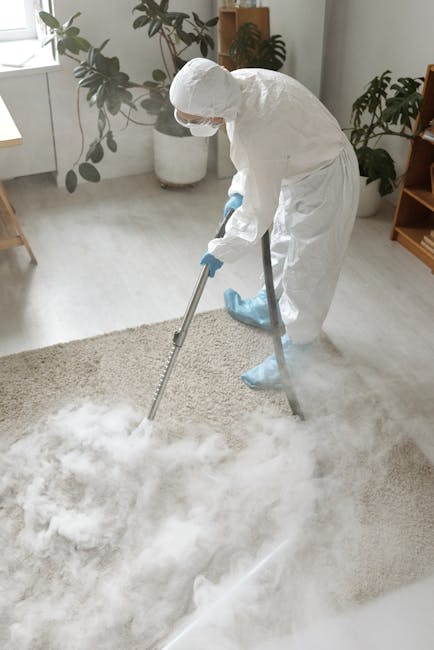
Good carpet cleaning should do more than change the colour of the pile for a day. It should remove the material that settles deep in the fibres, address visible marks where possible and leave the surface ready for normal use once dry. That can involve pre-treatment on stains, attention to high-traffic lanes and a controlled extraction or low-moisture process depending on the carpet and the setting. In practice, the right result is usually a balance between cleaning strength and fabric protection.
Typical jobs in this category include:
- whole-room carpet cleaning for occupied homes
- targeted treatment for busy hallways and staircases
- support for end of tenancy preparation
- regular refreshes in offices and shared spaces
Fibre care, stain treatment and odour reduction

Not every carpet needs the same treatment, and the most useful part of the job is often the preparation. Some fibres handle more agitation and flushing, while others need a lighter touch to protect colour and texture. We take account of pile type, backing, previous cleaning history and any visible wear before selecting the method. That helps reduce the risk of over-wetting, uneven results or distortion, especially on older installations and more delicate finishes.
Stains and spill marks are approached as part of the cleaning process rather than as a promise of complete removal. Drinks, food, mud and general household marks may respond well when treated promptly, but older marks can behave differently once they have settled. Odours can also sit in the carpet layer and underlay, so the work sometimes needs more than a simple surface refresh. Clear identification of the mark gives the best chance of choosing the right pre-treatment and rinse sequence.
When you are planning a job, it helps to note the areas of most concern and whether any stain has already been treated with a shop-bought product. That information can influence the cleaning plan and avoid conflicting products on the same patch. Ask for a quotation once you know which rooms or rugs need attention, and mention any fibre concerns so the proposed method suits the material.
Stairs, landings and other high-traffic areas
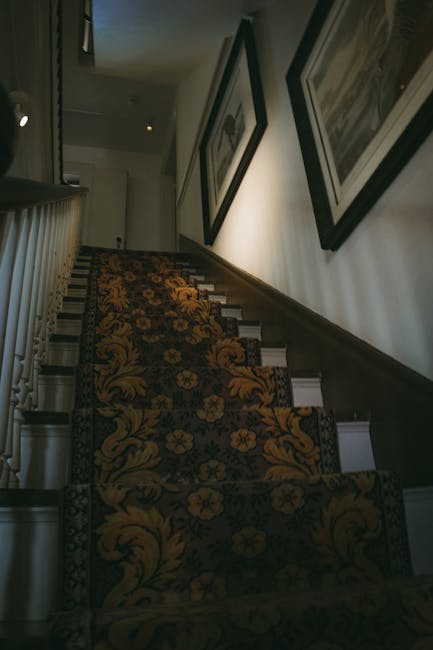
Stairs and landings usually wear differently from the rest of the carpeted floor because they collect dirt at the turns and on the leading edge of each step. This part of the job needs close attention to detail, especially where the pile is flattened or where the edge of each tread has a different level of soiling. A careful clean can improve both appearance and consistency, making the transition between rooms look more even.
In many properties, these areas also show the effects of hand contact, shoes, pets and repeated directional movement. That means the cleaner may need to work in sections, treating the most compacted fibres before carrying out the main cleaning pass. The aim is not simply to make the carpet wet and tidy-looking, but to recover as much texture as the material will allow while keeping the finish controlled around skirting boards, rail edges and narrow corners.
For customers comparing services, it can be useful to think of stairs as a separate part of the brief rather than as an afterthought. A focused clean can make a visible difference where wear is concentrated. If the staircase is combined with landing or hallway work, the whole route through the property can be cleaned together for a more consistent appearance.
How we plan the clean

Before cleaning begins, we need a sense of the room layout, the number of carpets involved and any access issues that might affect the work. Simple details such as parking, the presence of fragile items, the location of furniture and whether the carpets are synthetic or wool can all help shape the plan. This is also the right stage to mention previous stains, pet-related issues or any areas that have already been spot-treated. The more accurate the starting information, the more carefully the work can be matched to the carpet.
It is also sensible to decide whether you want a room-by-room approach or a broader clean across the property. Some clients only need the busiest areas done; others prefer to deal with the full carpeted space in one visit so the finish is more even. Photographs can help with early assessment, but they are only part of the picture. Texture, underlay, access and fibre type may all influence the final method and drying considerations, so the quotation should allow for that wider view.
When you are ready, a short written request is usually enough to get things moving. Include the rooms, the approximate carpet types if known, and any limits on timing or access. Then ask for a quotation and choose the level of cleaning that suits the condition of the flooring rather than simply the most intensive option available.
Rug cleaning and special care for decorative pieces
Rugs can need a different approach from fitted carpets because they may have dyes, fringes, backings or constructions that respond differently to moisture and agitation. Some are intended for regular domestic use; others are more decorative and need additional caution around the edges or woven sections. Rug cleaning therefore begins with an assessment of the material and finish so that the chosen method protects the piece while improving the visible result.
This part of the service is especially useful when a rug forms the centre of a room and needs to look balanced after cleaning, not patchy or overworked. The treatment may involve careful stain attention, dust removal and a controlled wash or extraction stage depending on the rug’s make-up. Fringes and borders often need separate attention because they collect dirt differently from the main field of the rug. The goal is a cleaner item with its texture and shape respected.
Rug owners often ask how to decide whether a piece should be treated on site or handled more cautiously. The answer depends on size, construction and condition. If the rug is fragile, valuable or unusually sensitive to moisture, a gentler plan is usually safer than forcing a stronger clean. If it is part of a larger set of floor coverings, it can be coordinated with the carpet work so the room has a more unified finish.
Upholstery and sofa cleaning alongside carpets

Soft furnishings collect the same airborne dust, skin particles and everyday marks that settle into carpets, so sofa and upholstery cleaning can be a useful addition when several items need attention in the same property. The work is different from carpet cleaning because cushions, seams, piping and mixed fabrics all create their own cleaning challenges. We look at the material first and then select the method that fits the upholstery rather than forcing a carpet-style approach onto it.
Chairs, sofas and other fabric-covered items often benefit from focused stain treatment and careful moisture control. The challenge is to clean the fabric without leaving rings, disturbing the pile or over-wetting the filling beneath the surface. That is why an upholstery clean normally relies on measured application, patient extraction and attention to the joins where dirt tends to settle. If the item is made from a sensitive or delicate fabric, a lighter process may be more appropriate than an aggressive one.
Bringing upholstery into the same enquiry as carpets can be practical because the room can be assessed as a whole. The same visit may address floor coverings, seats and other soft surfaces so the finish feels consistent. If you are unsure whether a suite needs a full clean or just targeted attention on a few marks, a brief description of the fabric and condition will help shape the quotation.
Deep cleaning, one-off refreshes and end of tenancy work
Sometimes carpets need more than routine maintenance. A one-off deep clean can be useful when a room has seen prolonged use, after a period of heavy foot traffic or when a property needs a more noticeable refresh. This type of work focuses on thorough soil removal and a more intensive treatment plan than a light tidy-up, while still respecting the limits of the fibre and backing. It is especially relevant when the carpet has not been professionally cleaned for some time.
End of tenancy cleaning often places extra pressure on appearance because the property may need to look presentable for inspection or reletting. Carpet cleaning can form part of that process, but the service still needs to be based on the condition of the flooring rather than on assumptions about the result. Marks that have been present for a long time may need specific treatment, and older wear patterns do not always disappear entirely. A clear, realistic brief is the best way to set expectations.
If your focus is a single event rather than regular upkeep, say so when asking for a quotation. That helps distinguish a maintenance clean from a more intensive treatment. Tell us which rooms matter most, whether furniture will remain in place and whether you need the work scheduled around a move, sale or tenancy handover.
About Putney
Putney is a riverside district in southwest London, set within the London Borough of Wandsworth and long associated with the Thames crossing and the open spaces that line this part of the river. Putney Bridge links the area to Fulham, while the embankment and towpath give the district a strong connection to river life and walking routes. The area’s name is often linked to historic river landings, and its identity has been shaped by transport, commerce and movement between central London and the outer suburbs. This gives Putney a layered character: busy main roads and rail connections sit alongside quieter residential streets and established neighbourhood centres. The district includes areas with varied housing styles, from older terraces and mansion blocks to later flats and riverside developments, so the built environment is not uniform but instead reflects different periods of London growth. Putney also holds an important place in sporting and civic history, with Putney Heath, the riverbank and the wider commons contributing to its open feel. The annual Boat Race start near Putney Bridge is one of the best-known associations with the area, and the riverfront remains a defining feature of local life. Green spaces, local shops, churches, schools and community venues all add to a setting that feels both residential and connected to the wider city. For visitors and residents alike, the combination of water, transport links and long-established streets gives Putney a distinct identity within southwest London.
Floorcare choices and what affects the finish
Choosing the right carpet clean is often about the balance between condition, fibre and the result you want. A lightly used room may only need a straightforward refresh, while a hallway, staircase or busy reception area may call for more careful pre-treatment and deeper extraction. The finishing point matters too: some clients want the carpet to look noticeably revived, while others are more concerned with hygiene, odour reduction or preparing a property for viewings and occupancy. All of these goals can be sensible, but they may require slightly different approaches.
Drying time, room use and furniture handling should also be part of the discussion. Heavy use soon after cleaning can undo some of the benefit, so it is usually sensible to plan the work when the area can be left undisturbed for a suitable period. The amount of residue in the carpet, the weather and the ventilation available in the room can all influence how the fibres dry and how quickly the area returns to normal use. That makes honest planning more valuable than a rushed promise.
For customers wanting a simple next step, the best approach is to decide which rooms need attention and what level of cleaning you expect from them. Then ask for a quotation that reflects the actual condition of the carpets. If you have a mix of fitted carpets, rugs and furniture, that can be included in the same request so the work is organised efficiently.
Preparing for a quotation and choosing the right service

A good quotation starts with practical information rather than guesswork. The number of rooms, approximate size of the carpeted areas, the presence of stairs or landings and any delicate materials all help to narrow down the correct service. If there are specific problems, such as pet odours, wine marks, mud from repeated foot traffic or furniture pressure lines, mention them clearly. That lets the cleaning plan focus on the real work involved instead of relying on a generic description.
It can also help to decide whether you want only carpets, or whether related items such as rugs, sofas or upholstered chairs should be included at the same time. Combining them can make the brief clearer and the outcome more consistent, but it is still worth separating the items in your request so each part can be assessed properly. If you are comparing service levels, think about whether you need a light refresh, a deep clean or a more careful treatment for a sensitive fabric.
When you are ready to move forward, request a quotation and provide the details that best describe the cleaning job. If you would like the carpets refreshed, the stairs improved or the soft furnishings treated as well, say so plainly and the service can be shaped around that need. The most useful result is the one that matches the material, the room and the condition of the flooring.